I’m a little behind when it comes to making this list, but in fairness: I read a lot of books last year, and deciding which were the best was quite a task! Though a very pleasant one, it must be said.
I spent a lot of time trying to figure out if I was choosing a book based on if it was one of the “best” books I read — which, to me, deals more with how well it was executed in terms of technical proficiency, pacing, use of language, communicating its central idea, etc — or if it was one of my “favorites”, which has way more to do with how much I enjoyed the book, or how well I was entertained by it. There’s considerable overlap between the two, but they are distinct concepts.
In the end, I went with “best”, because how entertaining a book is is directly related to how effective it is; getting and keeping my attention requires technical skill as well!
So, with that said: my ten best books of 2025!
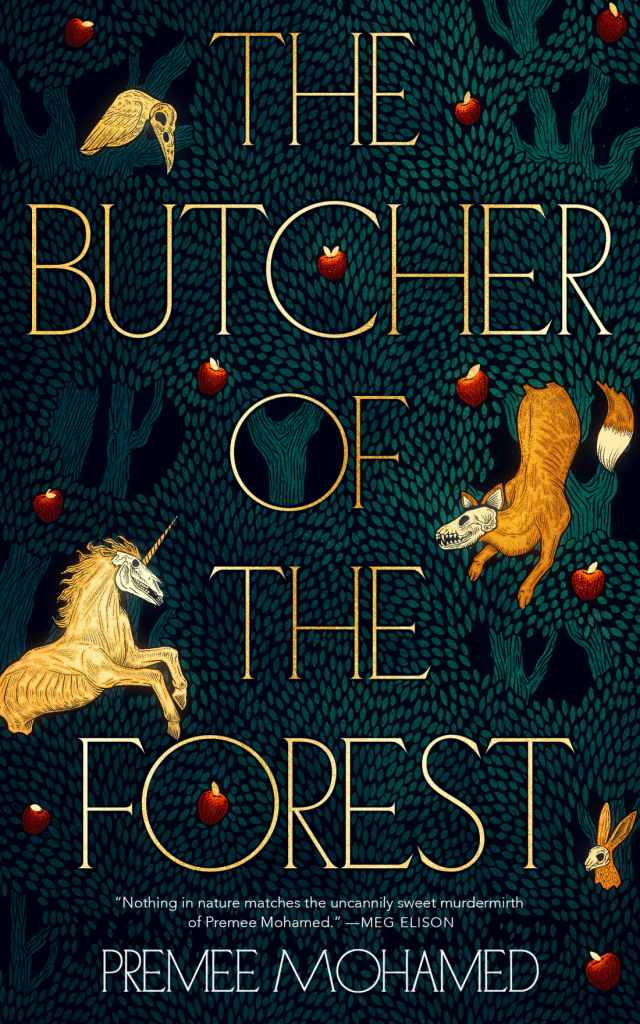
- The Butcher of the Forest by Premee Mohamed: I’d had this novella sitting on my TBR shelf forever, and tore through it in a day. I am weak, at all times, for works that really get their teeth into what it would be like to deal with the fey: sure, there are rules, and knowing them might help you survive or even prosper, but the rules are always changing, and you are dealing with something fundamentally alien to you. All of that is subtly but unmistakably contrasted with the very concrete violence of living under an oppressive king. Grim, haunting, beautifully written, just the right amount of heart-breaking.
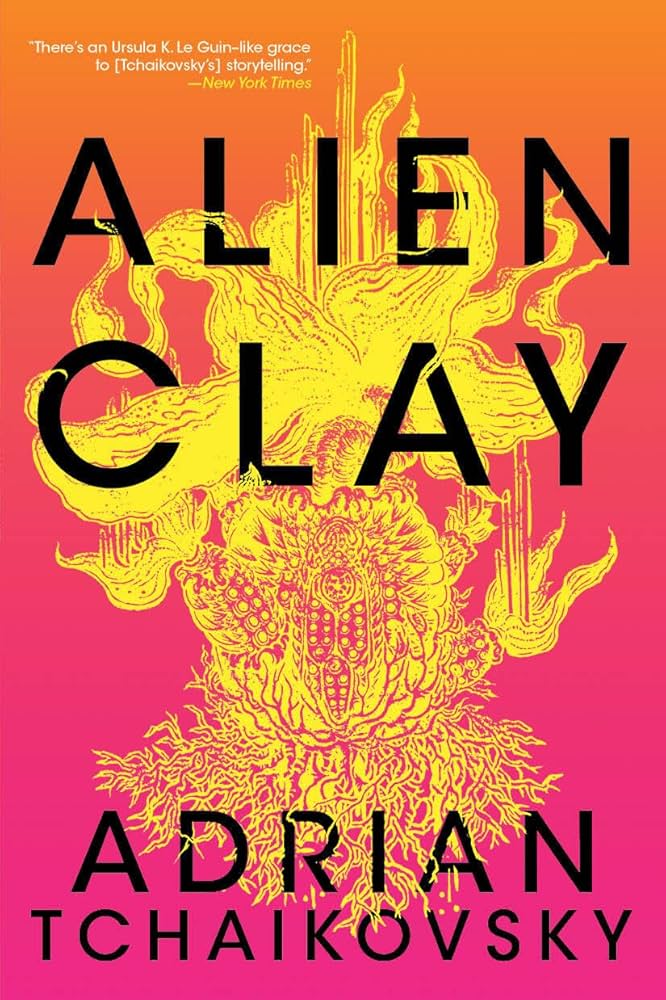
- Alien Clay by Adrian Tchaikovsky: I am on a mission to read everything Tchaikovsky has written, which is a tall order given how prolific he seems to be (I posted on Bluesky one morning about finishing another one of his books and how hopeful I was about meeting my goal, and within an hour he had posted about another book coming out). But! I’m having the time of my life, and this book was certainly a high point in my journey. It’s got everything: disgraced academics, prisons on hostile planets, authoritarian regimes clamping down on science, aliens that seem to ignore the idea of species altogether, rebellions, cheeky narration, betrayal, and an ending that’s either intolerably grim, or radiantly hopeful.
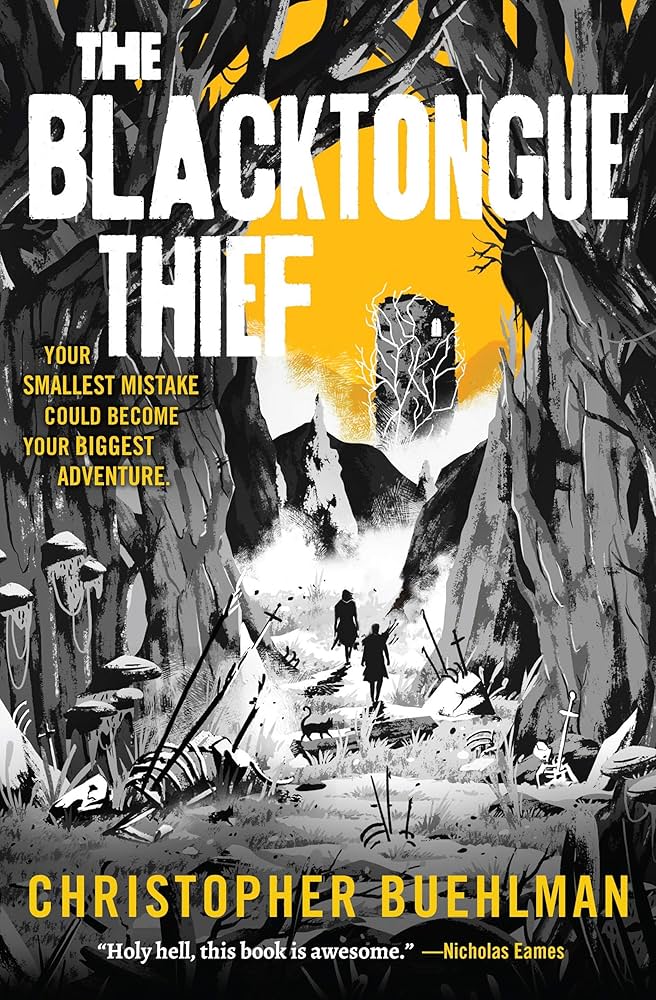
- The Blacktongue Thief by Christopher Buehlman: another book that lived on my TBR shelf (well, my Kindle) for ages before I picked it up. I actually started reading this in the middle of two other books, because I needed something to read at a buffet and my Kindle was more convenient. And oh, what a treat. I instantly bought into the world, into the grime and bleakness and grief of living in a place so marked by war and loss. Kinch is a fantastic narrator — there’s so much personality packed into every sentence — but the whirlwind of characters surrounding him is just as entertaining. It’s also terrifying; I’ve become fairly inured to being afraid of goblins after years of handily slaughtering countless thousands of them in D&D, but that fear is back with a vengeance. A mad delight, from beginning to end. I am hoping desperately for a sequel (though I’m excited to check out the prequel this year too!). UPDATE: the sequel comes out in October 2026!!
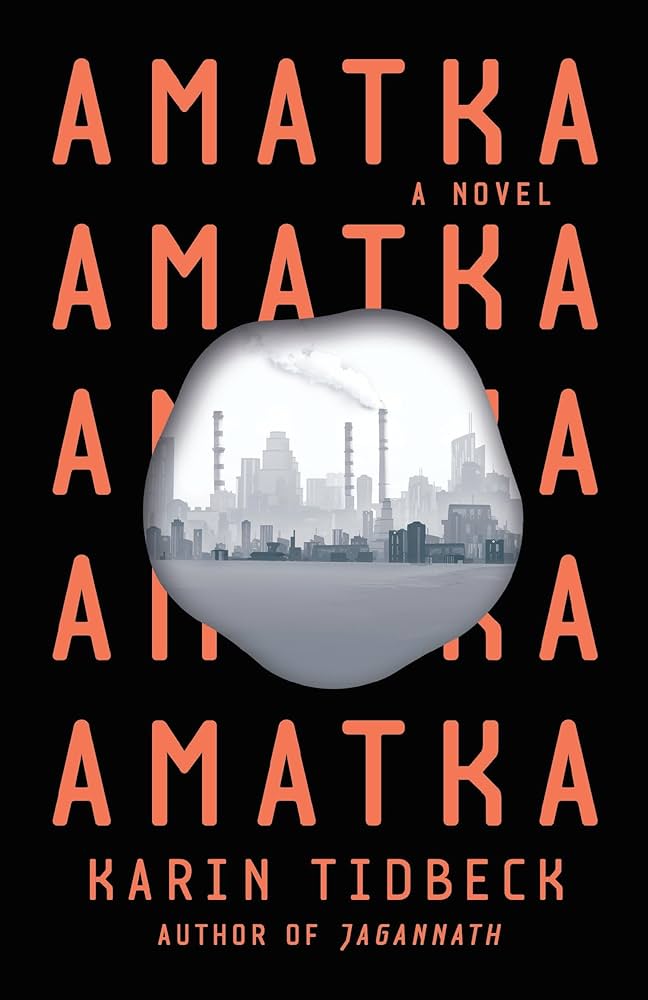
- Amatka by Karin Tidbeck: I read The Memory Theater by Tidbeck in…2023? Something like that. I wasn’t too fussed on it, but I’d heard a lot of praise for Amatka, so I gave it a whirl. And, uh. Holy shit. It’s got a great premise — the world is shaped by language! — and while I felt like the premise implied more Kafkaesque shenanigans as the narrator tried to figure out how to sell toiletries more effectively, what I got was so much better: a quiet, creeping dread, as I realized just how much language shaped not just the world but reality. A surreal, eerie story — though be forewarned: what the blurb calls a romance was to me more of an affectionate FWB situation.
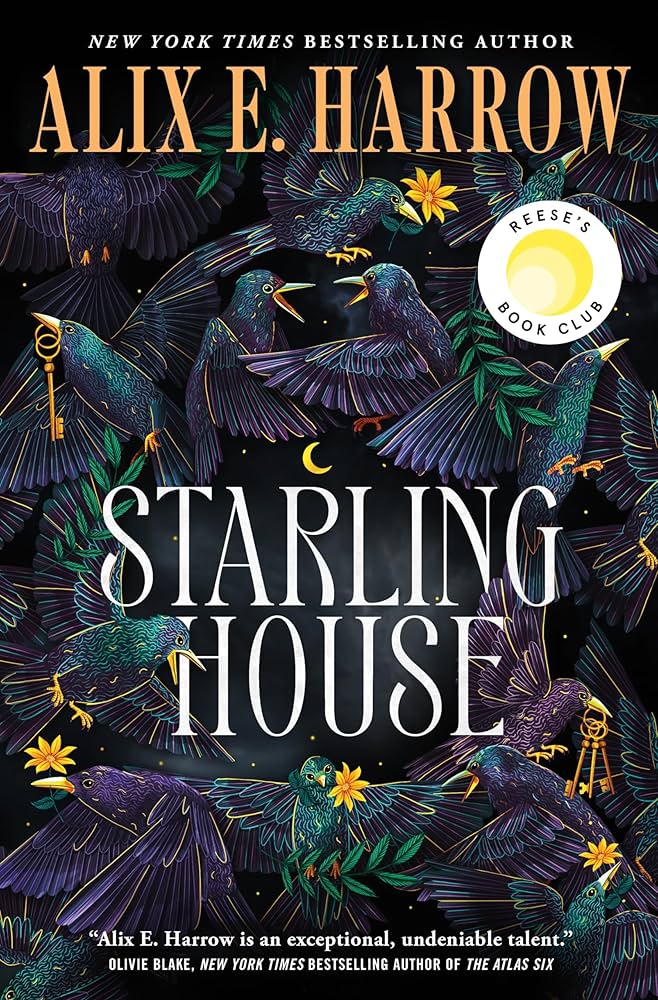
- Starling House by Alix E. Harrow: I have this thing with Harrow’s novels, where they don’t end up cohering for me until the 50% point, so I went in with that expectation, only to have it completely dashed in about three pages because Opal’s narration (another first-person POV) was so arresting. Not only does this book capture that exhausted, wrung-out feeling of towns left behind by industry and money, but it captures the fierce joy and pain of loving someone so much and being willing to sacrifice yourself so they can enjoy a better life (even if they have their own ideas about what their life should be). A ferocious, brash, fun novel.
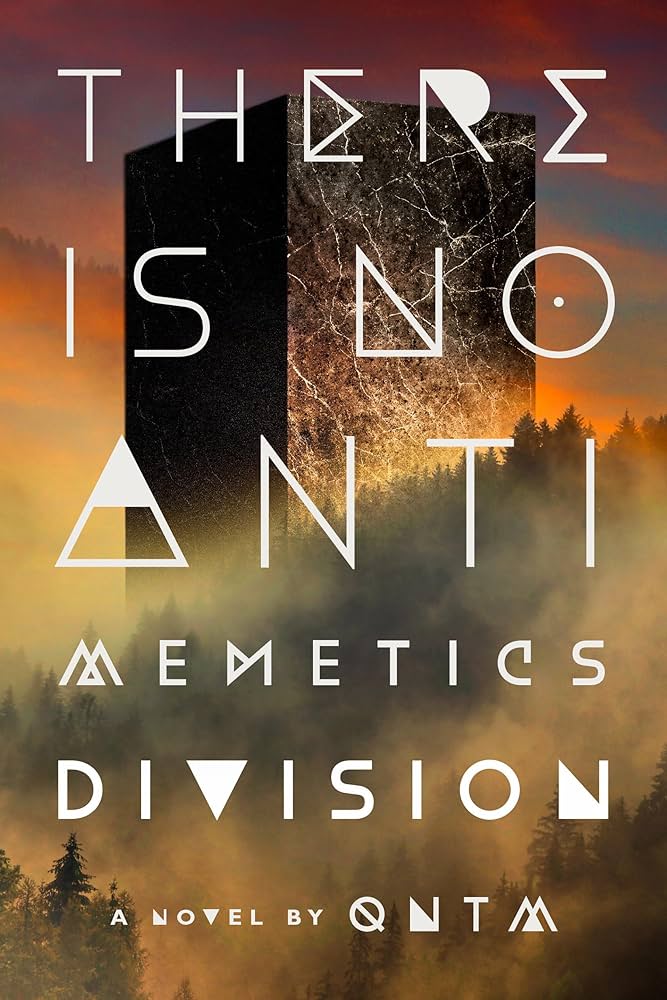
6. There Is No Antimemetics Division by qntm: As an avowed fan of the SCP Foundation (someday I will submit my own!!! I will!!), it was so much fun to dive into a novel-length take on the Foundation — on its creepiest aspect, in my opinion. How do you fight an enemy that actively erases your memories of it? Or — how do you learn about something you can’t allow yourself to acknowledge existing? It’s a twisty, immersive read, desperately sad and grimly determined. Definitely deserves a reread soon, because I know I missed half the details the first time through.
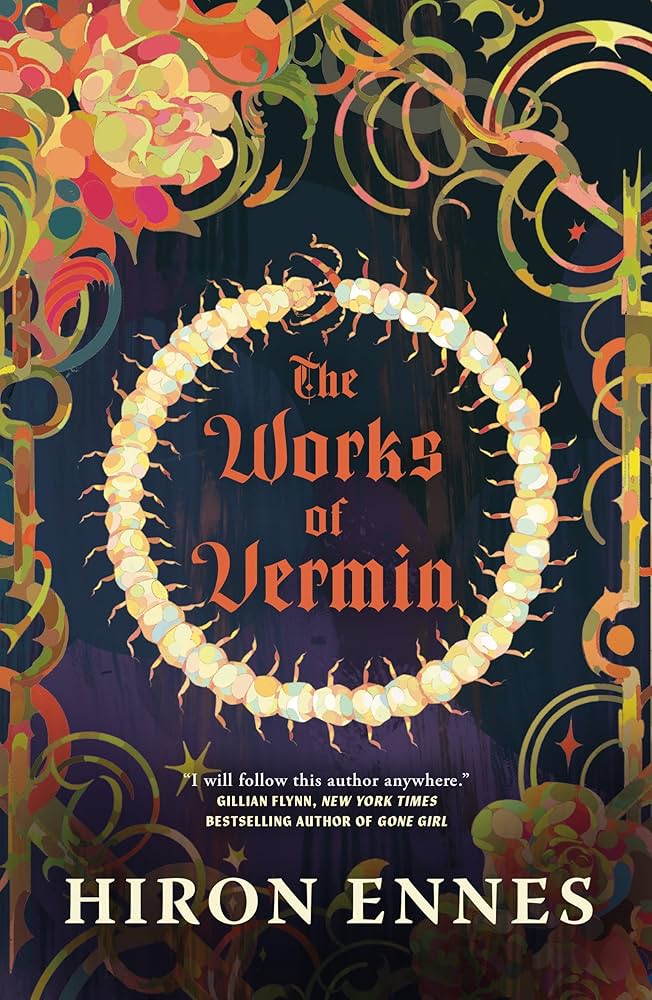
7. The Works of Vermin by Hiron Ennes: I read Leech earlier this year, and adored it (I am weak for a good pastiche at all times), but The Works of Vermin blew me away. A corrupt, brutal city obsessed with art in all its forms, where everyone is using perfumes to make others hallucinate how they want to be perceived, with layers of decaying neighborhoods beneath the rich and glittering throngs, all of it packed into the trunk of a giant, petrified tree, all of it suspended over a very, very strange river. It’s a very queer work, obsessed with art and perception, and absolutely chock-full of BUGS. This also continues my new trend of reading a book about a City, But Weird as my last book of the year (for 2024, it was The West Passage by Jared Pechaček, which is also one of my favorite books ever).
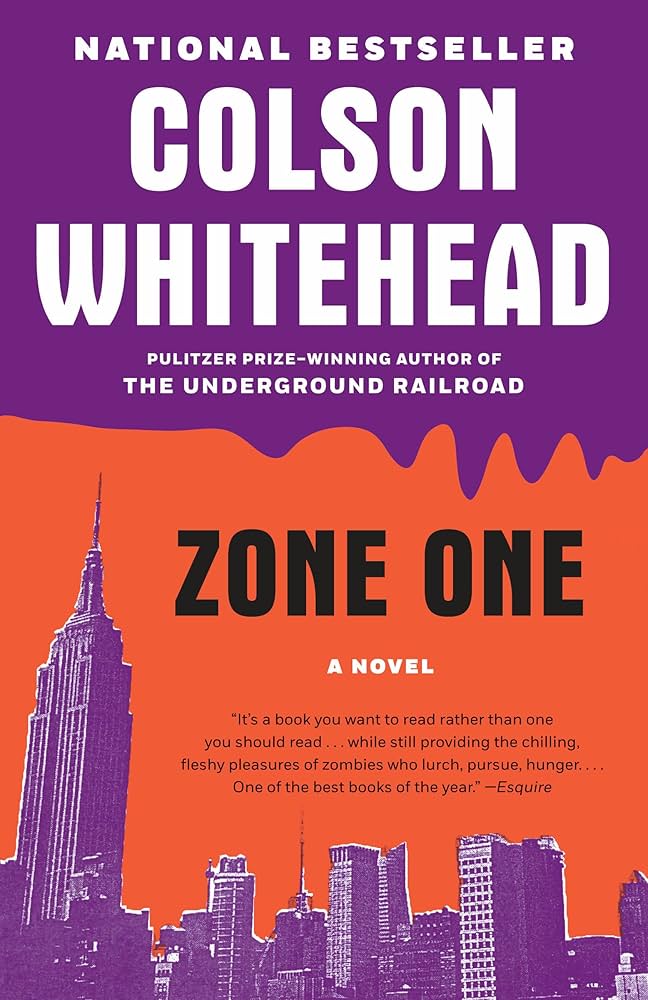
8. Zone One by Colson Whitehead: Adding to the list of things I am weak for — zombies! I was especially interested in this book because of how literary a take it was on the zombie apocalypse, and I think the very fluid, purple prose and how it constantly slipped in and out of flashbacks gave even the worst of the horrors a dreamy, almost gentle air. It’s not quite removing the reader to a safe distance from what’s going on — it’s an incredibly bleak book — but it reads like a nightmare set to the page. Thoughtful, grim, beautiful — and just when you think it will only be those things, the teeth reappear.
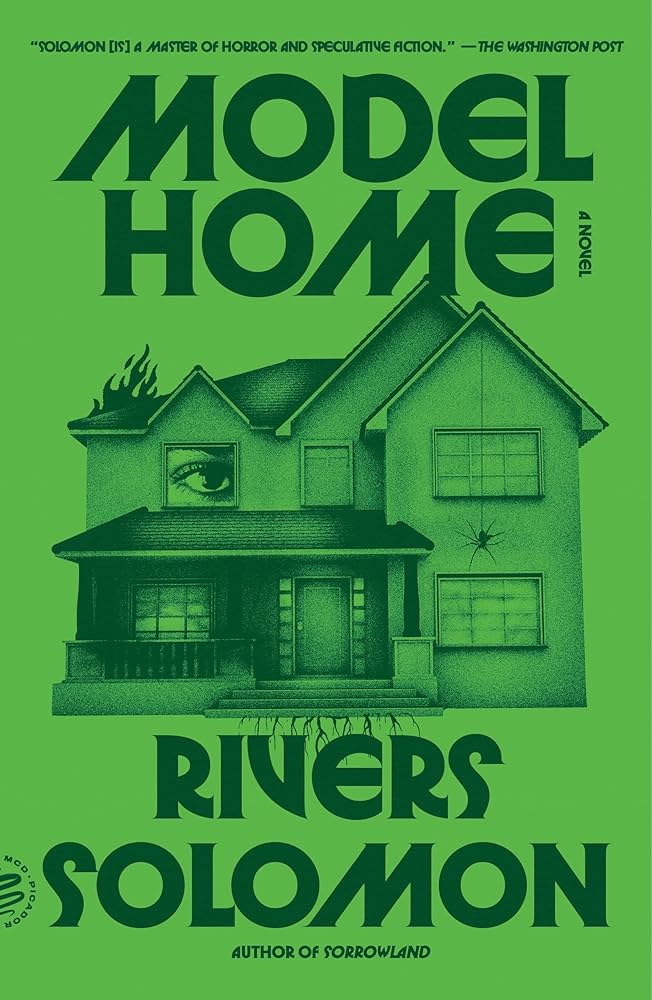
9. Model Home by Rivers Solomon: I was so uncomfortable reading this book, which is exactly where Solomon wants us to be. It is a very political book at its heart, peeling back layers of Black trauma to show just how deep that pain runs, in both the present moment, and bleeding into the past and future. It’s also a book about family, the complex love families have for each other, even when there isn’t trauma and oppression marking each person — but the love and horror sing off the page, in equal measure. I think Model Home would be an excellent book to read alongside Jessica Johns’ Bad Cree, which delves into similar themes in a horror setting as well. And technically speaking, this was a fantastic book centered around a heartbreaking narration.
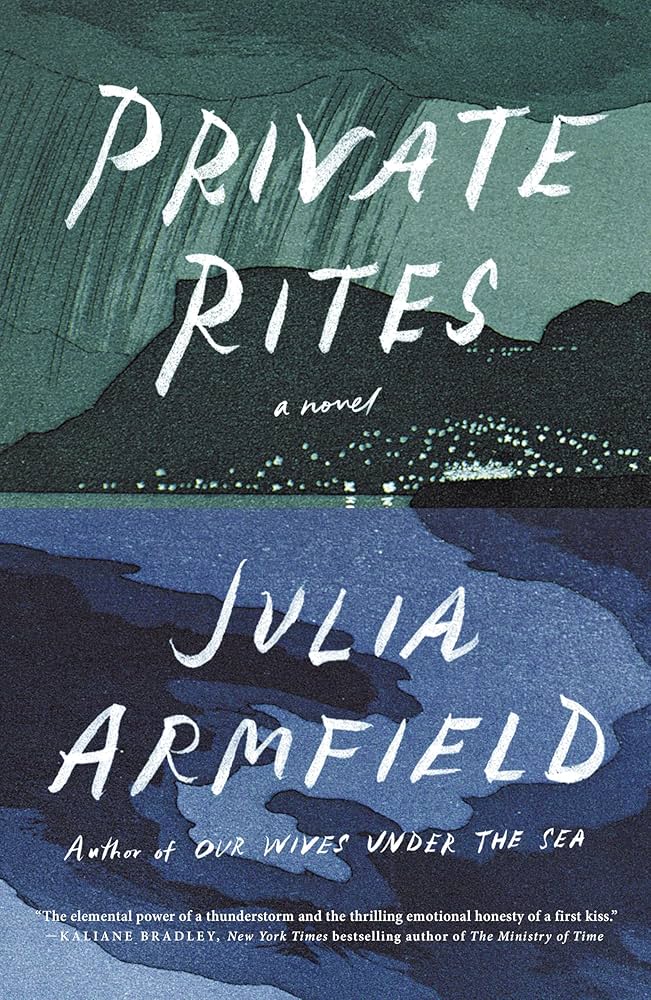
10. Private Rites by Julia Armfield: After reading Our Wives Under the Sea a few years ago, I am ride-or-die for Armfield, and nothing changed after reading Private Rites. I love Shakespeare reframings, so this apocalyptic take on King Lear was already primed for me to love, and the relationship between the sisters was both heartbreaking and (purposefully!) frustrating. As relationships with sisters often are! The quiet, almost resigned narration belies the horror of what’s going on: the world is ending (as it always has been), but there are still moments of sunlight, brief slants shafts of warmth and peace, a hand to hold as the waters rise.
Honorable mentions: Metal From Heaven by August Clarke, Ring Shout by P. Djèlí Clark, House of Open Wounds by Adrian Tchaikovsky, The Starving Saints by Caitlin Starling, A Drop of Corruption by Robert Jackson Bennett, Leech by Hiron Ennes, The Anomaly by Hervé Le Tellier, Notes From a Regicide by Isaac Fellman, The Book of Love by Kelly Link, and I Cheerfully Refuse by Leif Enger.

 oh! the hero complex
Leave a comment